

Pre-Med Advice for High School Students
Want to become a medical doctor? Start building a competitive edge now with this comprehensive guide on high school courses, clinical volunteering, and medical certifications.
If you’re interested in becoming a physician, your high school years are THE time to start building a strong academic foundation and simultaneously begin healthcare extracurricular activities and certifications, volunteering experiences, and research opportunities. In this blog, the HSAFP Executive Team has written a short guide on what you can do as a pre-med high school student to prepare now, in college, and beyond.
Build a Strong Academic Foundation
A strong transcript shows colleges and medical schools your commitment to learning, your scientific and social knowledge, and your critical thinking and problem-solving skills. Together, your GPA and course rigor are what undergraduate universities and medical schools will look at.
Here is a list of pre-med classes you should prioritize during high school and your early years of college:
Biology (AP Biology): Learn cell biology, genetics and ecology to prepare for advanced biology courses in college and medical school. Biology is also at the root of most subjects on the Medical College Admission Test (MCAT), a test medical school applicants will take to be admitted to most U.S. and Canadian medical schools.
Chemistry (AP Chemistry): Develop lab skills and understanding of chemical reactions, key for biochemistry, which is a subject on the MCAT.
Physics (AP Physics or Honors): Build problem-solving skills and understand forces. It’s also useful for understanding medical technology.
Psychology: Understand more about human behavior (an AAMC Premed Competency) and prepare for the Psychological, Social, and Biological Foundations of Behavior section on the MCAT.
Math (Algebra through Calculus or Statistics): Sharpen analytical thinking and be ready to use math on the MCAT as well! As Dr. Ken Tao reminds us, “about 10%-20% of the [MCAT] exam will require some mathematical calculation.”
English and Communications: Practice writing essays, giving individual and group presentations, and listening skills. You need to build strong reading comprehension and writing skills to publish collaborative research publications and complete medical school applications. To be a successful physician, you must also be able to explain complex ideas in simple terms, listen closely to patients, and work well with other healthcare professionals.
Non-Obvious Electives (Language Courses, Computer Science, Sociology, History, Disability Studies, Business, et cetera): Depending on what you are interested in, these electives may connect to medicine in a variety of ways. We suggest speaking with an advisor about your interests and goals!
Many of these courses will also begin refining key skills that you will need for university and medical school. See the AAMC Premed Competencies, which “serves as a roadmap for students as they prepare to succeed in medical school” (AAMC, 2026). If available, we suggest considering dual-enrollment college courses or science academies that can give you a preview of university-level work.
Engage in Health-Related Extracurriculars
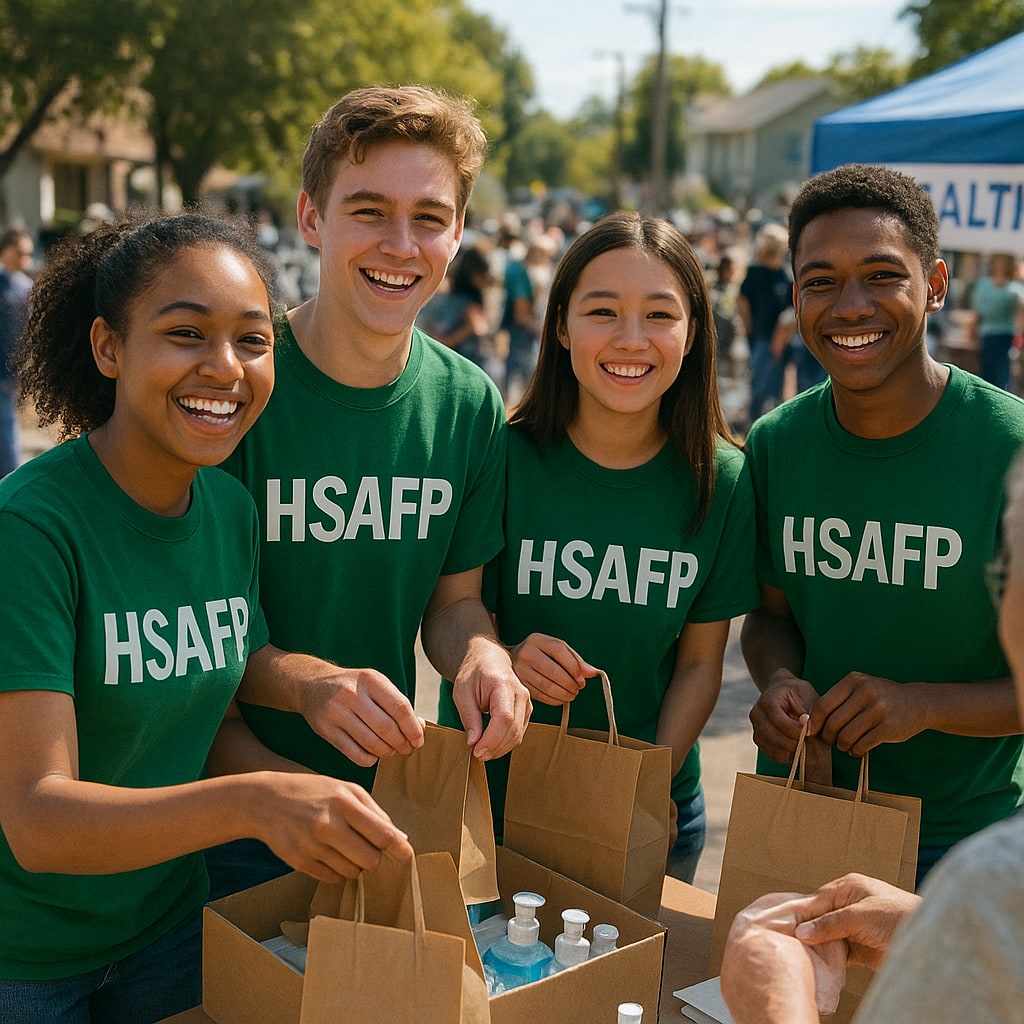
Joining a pre-health student group or science club can teach a variety of competencies that pre-med majors need.
The High School Alliance of Future Physicians (HSAFP): That's us! Gain hands-on medical skills, scientific knowledge, cultural competency skills, admissions advice, and much more by joining HSAFP and our curriculum, made with our network of physicians and college advisors.
Science Olympiad, HOSA, or Biology Club: Compete or prepare experiments with classmates to learn scientific inquiry and research skills.
National Honor Society (NHS): Participate in community service projects, as many NHS chapters support health causes.
Student Government/Leadership: Any active—yes, active is key here—leadership role builds many skills doctors need. Plan events and set goals with other school groups or local non-profits for a greater impact on your community.
Peer Tutoring or Coaching: Educating others is actually a crucial part of many doctors’ daily work. This role will help you better communicate, understand how to prioritize and solve problems quickly, and develop interpersonal skills which are crucial for being a physician.
Any of these activities look terrific on college applications and expand your knowledge about medicine and science!
Gain Clinical and Volunteer Experience
Hands-on exposure to healthcare settings will deepen your understanding of how to listen to patients, learn medical ethics, and confirm your passion (or confirm that this isn’t the career path for you!). Many hospitals, clinics, nursing homes, and public health clinics have volunteer programs for high school students.
Hospital/Nursing Home Volunteering: Visit or assist patients, serve meals, run supplies, or help with administrative tasks. This volunteer work will deepen empathy skills and show your commitment to serving underserved patients.
Shadowing a Physician or Nurse: Ask family doctors or local clinics if you can observe a routine day. Watching rounds and patient visits will teach you about the patient-physician relationship.
Health Fairs and Free Clinics: Volunteer at community health screenings or blood drives. You’ll meet people in healthcare careers, learn more about disease, and help those in need.
Community Service: Even non-medical volunteering (like food banks or youth sports) will teach you cultural humility and teamwork skills.
For more information, search for local opportunities and visit HSAFP online course about non-clinical volunteering and other curriculum to participate in more hands-on activities!
Earn Medical Certifications
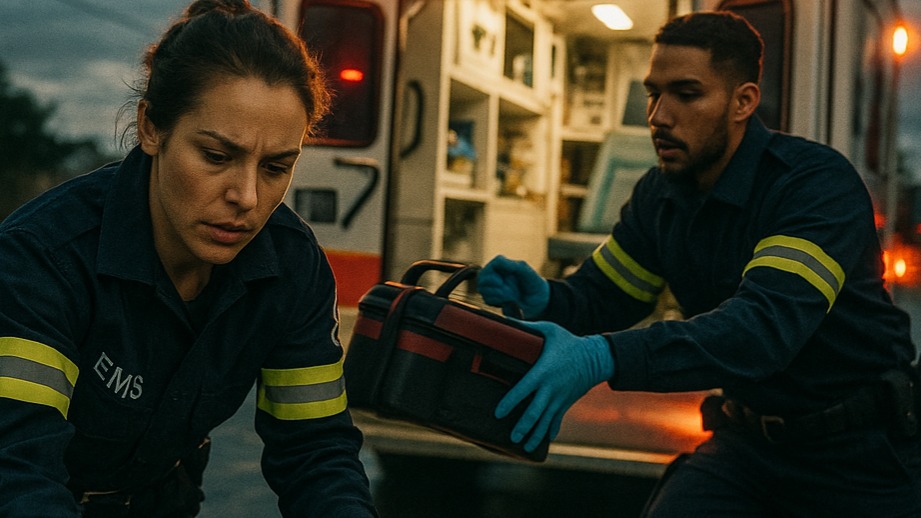
Earning certifications related to healthcare demonstrates real-world skills and maturity. Some certifications for high school students include:
CPR/AED Certification: You can earn this through the Red Cross or other agencies. It teaches CPR, how to use an AED, and basic first aid.
Emergency Medical Technician (EMT): EMT courses train you in first responder care. Passing the National Registry exam makes you an EMT in the U.S.; many fire departments and colleges offer teen programs. And, one option for HSAFP curriculum is hosting your local EMT educators to teach hands-on skills locally at your high school!
Certified Nursing Assistant (CNA): After training and an exam, you can work under a nurse helping patients with daily care. This experience is invaluable for understanding patient needs.
Each certification requires work: CNA programs can take a few months, EMT courses several weeks, and CPR just a few hours. But having a certification can demonstrate to college admissions and future employers that you are ready to handle this work and dedicated to serving patients.
Explore Research and Academic Competitions
Participating in science research and competitions highlights your initiative in pursuing medicine and a number of skills physicians require. You can dive into experiments through school or independently:
Science Fairs: Work on a project with a local or regional fair, or aim for national contests like the Regeneron Science Talent Search or Intel ISEF (International Science and Engineering Fair).
Research Internships: Look for summer lab internships or programs. For more information, please visit the HSAFP Intro to Research course for research opportunities and research alternatives, such as our Research Journal Club!
Academic Competitions: Join team contests like Biology Olympiad, Math Olympiad, HOSA competitions, or Quiz Bowl. Competitions teach problem-solving under pressure, which is vital for physicians and other healthcare professionals.
Special STEM Programs: Apply to programs like Junior Science & Humanities Symposium (JSHS) or math science academies. Winning awards or presenting at conferences can strengthen your college and medical school applications.
All of these experiences allow you to thoroughly understand and practice the scientific method and give stories to share in college essays and interviews.
Summer Activities
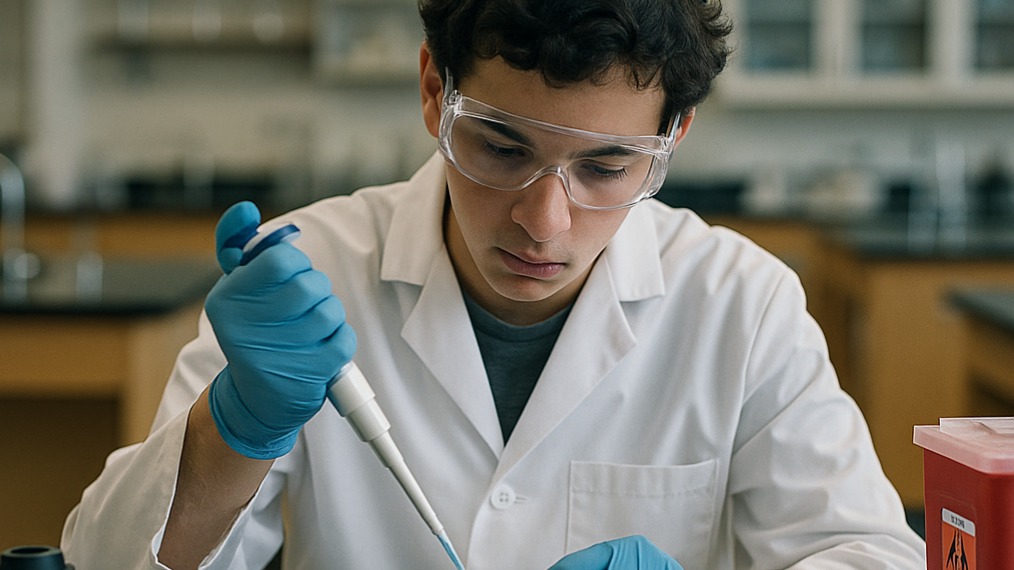
Instead of being bored all summer, refine your skills!
Attend Summer Programs, Camps, and Academies: Summer is a great time to experience college-style learning and meet motivated peers. The list below contains some universities and organizations that offer medical or science programs.
Medical Immersion and Camps: The Medical Immersion Summer Academy (MISA) is a five-day program in Oakland, CA with clinical workshops and hospital shadowing. Similarly, the National Student Leadership Conference on Medicine & Health Care offers a nine-day residential summer experience in Washington, D.C. or Atlanta, GA.
University Prep Programs: Programs like MITES (MIT), SSI (Stanford Pre-Collegiate), or Johns Hopkins CTY offer courses in biology, chemistry, and medicine. Even a one-week pre-med course can give you more insight into what you will learn as a medical student.
Specialty Summer Academies: For instance, Howard University’s High School Summer Science Academy (HSSESA) is a six-week residential program for rising juniors and seniors interested in pharmacy and health. Many states have similar health career academies.
Coding and Data Programs: Since modern medicine uses data, consider coding boot camps or AI workshops to gain technical skills.
Leadership Conferences: Conferences like the HOSA Washington Leadership Academy, DECA, and Model UN (even if not purely medical) can build public speaking and leadership abilities.
These programs are competitive, so you’ll want to apply early. Even local community college courses in anatomy or health careers over the summer can be a good option to broaden your skills. Your goal here is to immerse yourself in science/medicine environments, as these experiences often solidify your decision to pursue medicine and connect you with mentors.
Okay! Now, let’s plan!
Now that you’ve read through this article, take a breath. You don’t need to do everything at once. But with this pre-med guide, you can start to create a plan for how to balance everything: academics, extracurriculars, and fun activities that allow you to recharge.
The journey to becoming a physician is long, but by starting early and building a resume of different experiences, you’ll be well on your way.